Exploring the UK car market entails a series of waits and evaluations, from the initial research phase through to the crucial test drive. The modern consumer experience has developed, with dealerships managing appointment books and potential buyers searching for ways to utilise their downtime. Amidst this anticipation, digital entertainment, particularly engaging online slots like Brilliant Wilds Slot, has found an surprising niche. We examine this convergence, examining how the procedural delays linked to purchasing a vehicle can intersect with the instant, vibrant world of online gaming. This is not only about passing time; it’s about grasping the changing behaviours of consumers who effortlessly blend practical tasks with leisure activities on a single mobile device.
Grasping Contemporary UK Vehicle Dealership Mechanics
The conventional notion of a Saturday morning spent wandering a car lot is declining. Current UK automobile acquisition experience is becoming more appointment-driven and online-first. Future purchasers conduct thorough research online, reducing options to a few models before entering in a sales floor. This change implies dealerships are often managing pre-arranged test drives for highly informed customers, which expedites the experience but also produces designated gaps of downtime. These intervals—between check-in and the sales representative’s readiness, or during car being readied—form pockets of ‚dead time‘. For the buyer, this time is an inevitable aspect of the process; for the observant business, it signifies a opportunity for client interaction that is now not fully leveraged and ready for analysis within the today’s customer expectations.
The Prearranged Test Drive Model
Appointment systems have introduced efficiency alongside stiffness. A buyer’s time at the dealership is frequently divided: arrival and administrative tasks, the drive itself, and the follow-up conversation. If a section exceeds its time, or if a prior appointment delays the start, a waiting line develops. This structured environment differs markedly from the impulsive, instant-access world of digital services. This difference underscores a friction point in the customer journey—the move from the self-guided, quick digital browsing period to the in-person, schedule-bound showroom visit. Acknowledging this disconnect is the primary action in understanding where complementary activities, like mobile entertainment, occupy the downtime organically.
Buyer Expectations and On-Premise Experience
Today’s buyers, habituated to on-demand offerings, have raised expectations for regarding their time. A pause that is not structured or engaged can negatively colour the entire dealership experience. Although numerous dealerships provide coffee, internet, and cosy chairs, these are passive amenities. The dynamic, attentive client, mobile device in hand, typically desires a more engaging distraction. This is not about the sales centre’s welcome but on the established behaviour of juggling tasks and using digital devices. The expectation is for seamless integration of tasks, where a wait for one offering does not require a full break in personal entertainment or productivity.
The methods by which Dealerships Could Address This Trend
Visionary dealerships may think about how to adapt their customer experience to this mixed reality. This is not about promoting specific games, but rather creating an environment that recognises the digital habits of clients. The most obvious step is offering robust, free, and easy-access Wi-Fi, as mobile gaming can drain data. Securing comfortable seating with accessible power outlets is another. Some may look at subtle design cues that distinguish ‚waiting zones‘ from ‚discussion zones‘, helping customers mentally shift contexts. The guiding principle is to acknowledge that the customer’s attention will be shared and to facilitate a smooth transition between their digital world and the physical sales process when the time comes.
- Infrastructure Support: Prioritize high-bandwidth Wi-Fi and readily available charging points.
- Zoned Areas: Designate clear, comfortable waiting areas distinct from sales desks to allow for private device use.
- Staff Training: Urge staff to be mindful of customer immersion in devices and to approach respectfully to regain attention.
Mobile Entertainment as a Pervasive Solution
The smartphone has turned into the universal tool for covering lulls in our daily schedules https://brilliant-wilds.com/. In waiting rooms, on commutes, or during dealership test drive delays, it is the main portal for communication, information, and entertainment. The mobile gaming sector, in particular, has flourished by offering quick-access, session-based experiences designed for these very moments. Games that can be initiated and stopped without major dedication are perfectly adapted to broken-up environments. This trend has shifted gaming from a niche hobby to a popular pastime, making it a familiar sight in diverse settings, such as the professional and retail environments of a car showroom.
The Rise of Casual and Session-Based Gaming
Unlike narrative-driven console games, casual mobile games are built around short play sessions. They offer instant engagement loops—a spin, a puzzle, a short race—with a clear opening and end. This design philosophy aligns perfectly with the uncertain length of a real-world wait. A customer can get through several rewarding rounds of a game in the time it might take for their sales advisor to finalise paperwork or prepare a demonstration vehicle. The self-contained nature of each session means there is no drawback for stopping abruptly, a key feature for an environment where the primary activity (the car purchase) can resume at any moment.
Connections Between Buying a Car and Gaming Involvement
On the face of it, buying a car and trying an online slot appear worlds apart. However, we can draw interesting similarities in the psychological engagement they foster. Both include an element of anticipation and assessing rewards. Picking a car involves picturing future journeys, prestige, and usefulness—a deferred but significant reward. A title such as Brilliant Wilds Slot delivers prompt, smaller-scale rewards through payouts and bonus rounds. Both experiences are decision-intensive: configuring a car versus picking a stake. Critically, both are ambitious in their own manners. The car embodies a real life enhancement, while the game provides the thrill of a likely win. This mutual terminology of decision, danger, and benefit makes the transition between the two activities more seamless than one might assume.
The Actual Experience: Mixing Activities in a Single Visit
Let’s imagine a standard scenario. A customer shows up for a test drive, checks in, and is told there will be a ten-minute wait. They take a seat in the lounge. Instead of mindlessly browsing through social media, they open a gaming app. A few minutes playing Brilliant Wilds Slot provides a cognitive reset. When the sales executive arrives, the customer closes the app, mentally compartmentalising the leisure activity, and shifts focus fully to the vehicle. Post-drive, while waiting for figures to be calculated, they might play for another few minutes. This combination is fluid and personal, managed entirely by the customer on their own device. It represents a modern coping mechanism for fragmented schedules, turning what was once downtime into personally curated uptime.
Ethical and Prudent Factors
It is crucial to address the prudent side of this intersection. Car purchases are significant financial decisions requiring undivided focus. Gaming, including slots, should always be approached with moderation and awareness. The integration we describe assumes a responsible consumer who can compartmentalise activities. The use of gaming as a brief distraction is essentially different from prolonged play that could impair judgment. Both dealerships and game providers share a responsibility to promote healthy engagement. For the customer, self-awareness is key: the game is a temporary diversion, not the main event, and should never interfere with the careful consideration a major purchase demands.
The Broader Implications for UK Retail and Service Industries
The occurrence observed in car dealerships is a microcosm of a wider shift across the UK’s retail and service sectors. From waiting for a table at a restaurant to queuing for a professional service, consumers are increasingly self-curating their interstitial moments. The success of any mobile entertainment product relies on its ability to blend into these broken slices of time. For businesses, the challenge and opportunity are in designing customer journeys that either seamlessly incorporate these personal digital activities or provide persuasive alternatives that add value. The goal is not to compete with the smartphone for attention, but to create a physical service experience so seamless and engaging that the phone naturally remains unused—or, otherwise, to acknowledge its role as a complementary tool.
Highlighting Brilliant Wilds Slot: Mechanics and Appeal
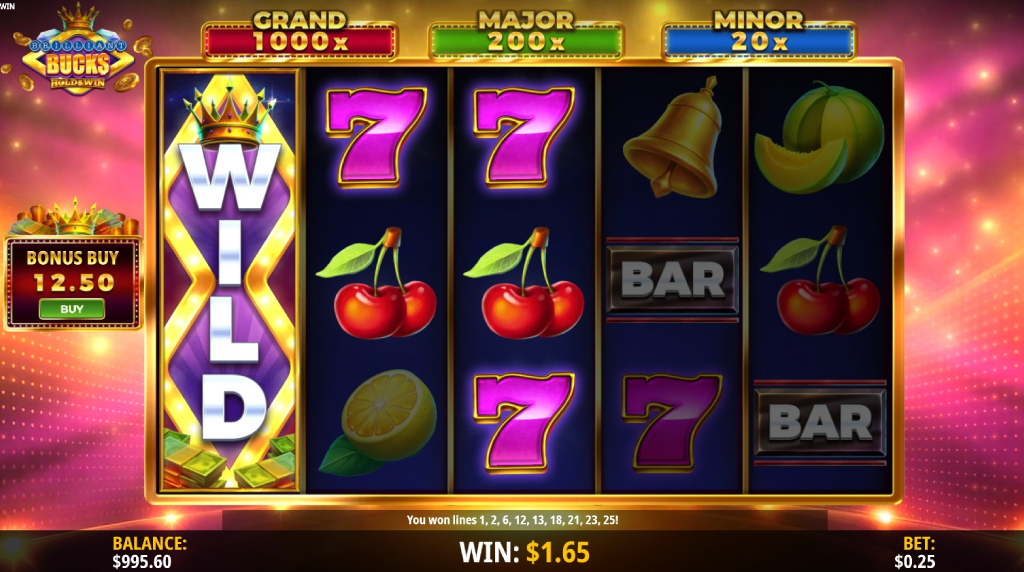
Across the broad landscape of mobile play, online slots like Brilliant Wilds Slot hold a particular place famous for their vibrant visuals and easy-to-understand mechanics. Their appeal lies in the immediate sensory feedback—vibrant graphics, engaging sound effects, and the excitement of each spin’s outcome. The game structure are quick to understand, demanding no long tutorial, which works for a casual play session. For a prospective car buyer, this delivers a type of cognitive reset that is distinctly different from the analytical approach of comparing fuel economy, boot space, or finance packages. It’s a shift from the left-brain to the right-brain, a quick getaway into a world of luck and color.
- Quick Thrills: The main action—hitting spin—is immediate and satisfying.
- Visual Splendor: High-quality graphics and animations provide a engaging visual break from the physical showroom.
- Measured Thrills: The game creates micro-moments of excitement that are ideally suited for a short waiting period.
The Experience of Waiting in Consumer Interactions
The perception of time is subjective and strongly affected by activity. A tedious waiting period may cause frustration and displeasure, potentially risking the sale. The psychology here is clear: occupied time feels shorter than unoccupied time. At a car dealership, the customer already feels mild anticipation and is evaluating. Introducing boredom into this situation is harmful. Thus, handling waiting times becomes a subtle yet vital part of customer interaction. Giving customers something to think about is more than a kindness; it’s a tactical approach to sustaining a positive emotional state and maintaining their interest in the broader scope of aspirational buying and thrilling choices.

- Anxiety Reduction: A distracting activity can lower the mild stress associated with a significant financial decision.
- Perceived Worth: Pleasant moments enhance the overall positive impression of the service experience.
- Restoring Control: Choosing an activity restores a sense of personal agency during a process largely controlled by the dealership’s schedule.
Evolving Fusion: Technology, Transactions, and Recreation
Looking ahead, the distinctions between various forms of digital engagement may fade further. Could we see integrated platforms where a customer researches a car, books a test drive via the brand app, and, within the same ecosystem, has entry to branded entertainment during the wait? Or perhaps dealerships will build their own lightweight, branded games that subtly highlight vehicle features? The underlying trend is the unification of multiple activities—research, commerce, communication, entertainment—onto single, multifunctional devices. Recognizing this, businesses across sectors, including automotive retail, must consider the customer’s time holistically. The ‚test drive wait‘ is not an empty space but a connected moment in a continuous digital thread, a moment where products like Brilliant Wilds Slot already exist.