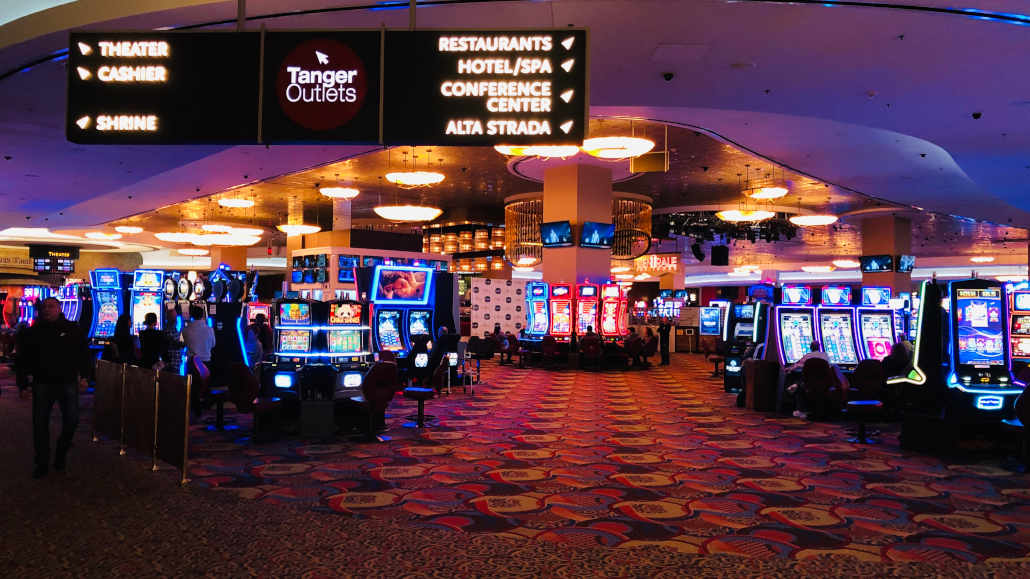
Covering the world of gaming and culture, I keep circling back to an old philosophical tussle https://20superhot.net/. The conflict between fate and free will feels oddly applicable when you examine modern slot games. Take 20 Super Hot. It’s a classic fruit machine, straightforward on the surface. But for players across the UK, it sets up a quiet conflict. The game itself functions on pure chance, a closed system of luck. Yet all you do around it—opting to play, deciding your stake, knowing when to quit—is an act of will. That tension, the random reels against your deliberate choices, is a tiny digital drama. It plays out on phone screens and laptops numerous of times, a daily dose of an ancient dilemma.
The Mirage of Control in a Arbitrary Universe
Essentially, 20 Super Hot is powered by a Random Number Generator. This RNG is a sophisticated piece of code. Its only job is to ensure every single spin is independent, unforeseeable and unaffected by the last. This is the game’s interpretation of pure fate. Hit the spin button, and the conclusion for that round is locked in. It’s instant and unchangeable. No skill can move those reels. There’s no system to learn, no hidden timing to decipher. This randomness is the cornerstone of every licensed slot. On the face of it, it appears to conclude the debate. The game’s realm is a closed box of luck, where free will has no say over where the cherries, bells, and sevens land.
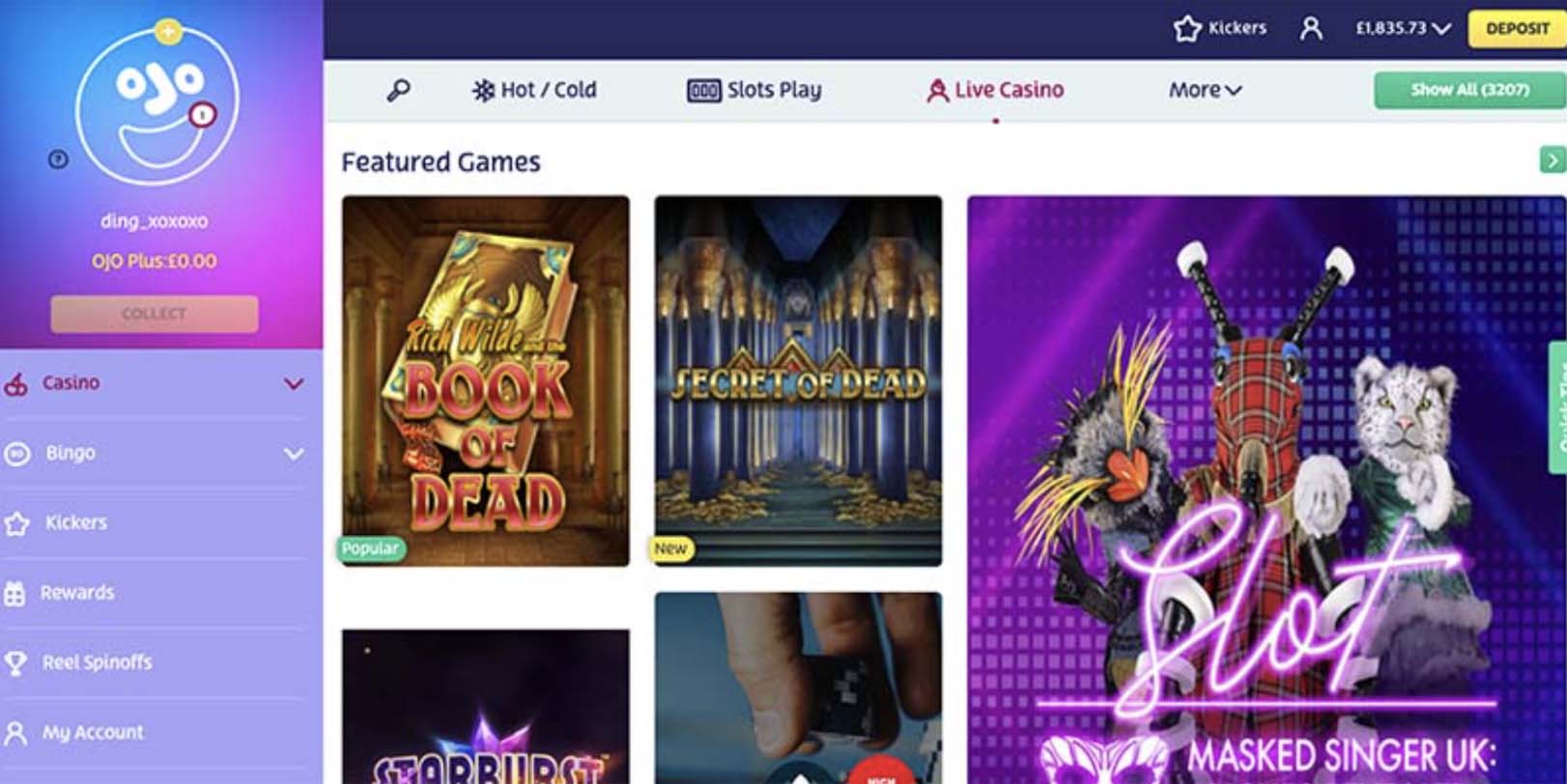
But human psychology thrives on a paradox. Even with the knowledge of the RNG, players operate in ways that indicate they feel they have a role in the outcome. They might rotate only at a specific time, or press the screen in a certain way. They develop little habits. These habits are a bid for influence. They’re an effort to apply personal will onto a system that is, objectively, random. In a rapid, common game like 20 Super Hot, these irrational behaviors are ubiquitous. They’re a psychological defiance. They’re the mind’s endeavor to establish a area of control within the game’s rigid algorithmic walls.
Current Context: An Age-Old Debate Digitalized
What makes 20 Super Hot and slots like it so captivating is how they digitize an age-old human anxiety. We have continually tried to discern how much control we actually have in a volatile world. Oracles, dice throws, card games—these were ancient technologies for engaging with fate. The online slot is merely the latest model. Its RNG is the digital oracle. Its spin is the toss of the dice. The debate isn’t theoretical anymore. It’s participatory, with genuine, if modest, stakes. Playing a session of 20 Super Hot becomes a miniature philosophical experiment. Every click is a trade-off. You’re perpetually balancing the urge to steer your own destiny against the acknowledgment of powers you can’t affect.
This modern setting strips the debate of theoretical theory and puts it into actual experience. You’re not contemplating fate in a library. You’re engaging with it straight on your screen. The consequences are financial and affective, not just notions in your head. That makes the whole dynamic visceral. The joy of a win feels like a affirmation of your lucky choice. The sting of a loss feels like the whims of a unpredictable universe. So 20 Super Hot, for all its uncomplicated nature, acts as a portal. It reveals a deep and enduring human question. It transforms a weighty philosophical dilemma into a ordinary, approachable, and ceaselessly repeated digital custom.
Classic Design: A Backdrop for Projection
The appearance of 20 Super Hot, that vintage fruit machine style, takes a key part in this conceptual dance. Unlike narrative-driven video slots, this game presents a bare, clean interface. The symbols are classic: fruits, bells, stars, and the red 7. This minimalism creates a clean canvas. Players project their own tales of luck and influence onto it. With no distracting features to interrupt, the mind focuses on the basic tension: the spin (fate) versus the bet (choice). The classic design also evokes tradition. It ties back to the tangible one-armed bandits of the past, where pulling the lever seemed like a immediate, physical wrestling match with chance.
This projection shapes how people perceive results. A near-miss, where two high-value symbols line up with a third just off the payline, often seems like „almost there.“ It’s viewed as a brush with destiny, encouraging another spin. A surprise win on a tiny bet might feel like a destined gift. The game’s design doesn’t produce these stories. The human mind does. The impartial, classic frame of 20 Super Hot provides the ideal stage for an inner drama. It’s a conflict between feeling lucky (a state of mind) and actually being lucky (a random event). The design renders it easy to imagine you’re having a conversation with fate, even when the underlying mechanism is a monologue of randomness.
Mental Conflict with the User’s Encounter
Playing 20 Super Hot often puts you in a state of cognitive dissonance. That’s the mental itch of having two conflicting beliefs at once. One aspect of you understands, rationally, that the machine is random. Every result is independent. The other segment has a gut feeling that your decisions count, that your rhythm or your „lucky streak“ has value. This dissonance isn’t a weakness of logic. It’s a central part of what makes the experience compelling. It turns a mechanical algorithmic process into something with psychological weight. The excitement resides in the space. It’s the difference between what you believe and what you experience, between acknowledging fate and expecting your will can somehow attract a bit of success.
The machine’s speed and simplicity amplify the volume on this sensation. With 20 set paylines and no bonus rounds to navigate, the cycle is quick: pick, bet, view the result, repeat. This flow can bring you into a light trance. The deliberate act of setting a stake and hitting spin starts to feel reflexive. The chance outcomes start to seem like they have a beat, a shape. The human cognition is designed to look for cause and consequence. In the simple, featureless world of a traditional slot, the brain will generate its own causes. Your internal story shifts. It transforms from „I’m choosing to bet on a random event“ to „I’m on a lucky run“ or „This machine is cold today.“ You attribute agency and personality to the unfeeling code. It’s a method to address the dissonance, to create a more storied and intentional engagement with the game.
The Regulatory Framework: Bringing Structure on Randomness
The UK gambling scene introduces another element to this debate. It actively shapes the arena where fate and free will meet. The UK Gambling Commission mandates all licensed games, including 20 Super Hot on approved sites, to use certified RNGs and publish their Return to Player (RTP) percentages. This rule is a remarkable intervention. It publicly codifies the game’s long-term fate—the statistical probability over millions of spins. At the same time, it provides players transparent information. Knowing the RTP is a resource for informed choice. It’s a data point for your will to consider before you engage with the game’s randomness.
Regulations also force operators to provide tools like deposit limits, time-outs, and reality checks. These are genuine instruments of free will. The operator offers them, but the player has to switch them on. They are mechanisms built to help your will stay in charge. They shield against impulsive behavior driven by the game’s unpredictable rewards. So the UK’s regulatory environment does not choose a side in the philosophy debate. Instead, it attempts to build a safer arena for that debate to happen. It accepts the undeniable fate of the RNG, while legally requiring support for a player’s capacity for choice and control. The goal is to make sure the latter can always temper the former.
The Choices That Surround the Spin
What the spin produces could be fixed, but the environment surrounding that spin belongs to you. Before the initial reels begin to spin, you make critical selections. The primary one is bankroll control. You determine your overall budget for the session. Then you pick your coin denomination and wager size on 20 Super Hot. Defining these fiscal constraints is a firm declaration of intent. It’s a deliberate decision to risk a specific amount, and not a penny more. This personal guideline sits outside the algorithm’s impact. It’s a strategic constraint on possible loss, and it’s the bedrock of responsible play.
You also apply oversight by studying the game’s structure. Understanding that 20 Super Hot is a standard slot game with no bonus rounds sets your expectations. Opting to play the entire set of 20 paylines involves a tactical thought about reward against coverage. Then there’s the last, most crucial decision: the decision to end the session. Withdrawing after a win takes restraint. Leaving after hitting a pre-set loss limit takes greater discipline. That decision to stop supersedes the game’s compelling nature. This higher-level game of self-control happens entirely in the player’s power. The machine doesn’t care if you depart or keep playing. That part is solely your domain.
The Moral Aspect of the Structure
Examining this destiny vs. choice dynamic leads straight to questions about ethics and design. A classic slot like 20 Super Hot, with its transparent rules and no misleading features, could be seen as relatively fair. It offers its chance openly. But the ethical dilemma isn’t just about the game’s destiny. It’s about how the game aids or weakens a player’s free will. The quick tempo and possibility of rapid spins can eat away at careful decision-making. It propels you toward impulsive, responsive play. In that mindset, the illusion of control is greatest, and reasoned judgment is least effective.
In my perspective, the ethical balance hinges on the clearness of the deal. 20 Super Hot, in its original classic form, offers a fairly straightforward proposition: a game of chance-based, independent outcomes with determined odds. The ethical responsibility then broadens. It falls on the platform offering the game and on the player. Does the platform make safe gaming tools accessible and employ? Does the user engage in pre-commitment strategies? The game itself is a unbiased engine of chance. The morality of using it is determined by the structures surrounding it and by the player’s own awareness. It boils down to how you handle the age-old dance between your own actions and the neutral turn of the digital reels.
Frequently Asked Questions
Are the outcome of each spin in 20 Super Hot genuinely random?

Yes. Regulated versions of the slot use a certified Random Number Generator. This RNG ensures that every spin’s final result is independent, instantaneous, and completely random. The program has none memory and obeys no pattern. Each spin is a one-of-a-kind event determined by chance. This is the central „fate“ aspect of the slot.
How can I use my real preference or strategy while playing this slot?
Your control resides in the choices you make around the spin. This means determining your total bankroll, choosing your coin value and bet size, and choosing when to start and end your session. Controlling your bankroll and employing responsible gambling tools are your primary strategic steps. These behaviors embody your free will in the framework of the game.
Does the traditional fruit machine appearance impact how people perceive influence?
It often does. The straightforward, known design works like a blank screen. Players tend to transfer their own beliefs and tales onto it. This can foster an impression of control. You might come imagining in „hot“ or „cold“ streaks, for example, even though the underlying mechanics are random for every single spin.
To what extent does UK regulation affect the fate vs. free will aspect of the slot?
UK legislation forces transparency, like showing the RTP. It also mandates tools including deposit caps and reality checks to be accessible. This framework clearly outlines the game’s long-term statistical „fate.“ At the same time, it equips players with information and tools to exercise their free will to greater effect. The objective is to encourage play that is knowledgeable and under control.
Can I influence the RNG or discover a pattern in the wins?
No, you are unable to influence the RNG, and patterns do not exist to discover. The RNG keeps running creating countless of numbers every second. The result at the exact millisecond you press spin is final. Any sequences you perceive are cognitive illusions. It’s a natural human inclination to seek out order in randomness.
What represents the most important act of free will when playing slot games like this?
The most critical act is commitment in advance and stopping. Set a loss limit and a time limit prior to starting. Then, develop the discipline to stop when you hit them. This decision lies entirely outside the game’s random mechanics. It is the ultimate exercise of your control.
Why does the debate about control even matter for a straightforward slot game?
It is important because it gets to the essence of gambling psychology. Recognizing that the spin is fixed, but your management of the session is not, fosters a more balanced approach. It redirects the focus away from attempting to beat randomness. Instead, it underscores the significance of making mindful decisions about your engagement. That attitude is essential for long-term play.