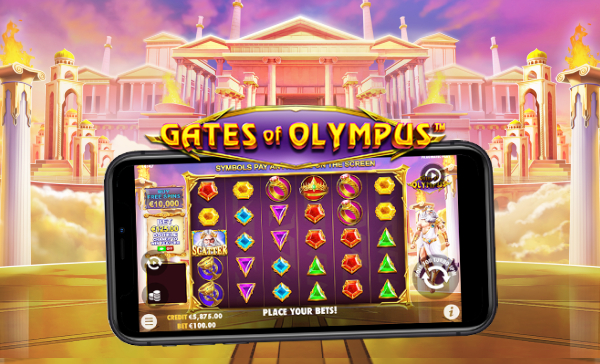
Slot players in the UK often seek games that blend a captivating theme with mechanics they can actually study, and Gates of Olympus 1000 best bonus code suits that requirement neatly. The title is centered on the Greek pantheon and uses a tumbling-reel engine to maintain every spin feeling dynamic, yet its real appeal lies in the clear RTP figures and the way the bonus structure expands. In the sections that follow I walk through the exact rules, the maths that determines returns, and the practical steps you can use to evaluate whether the game fits your own bankroll and session length.
Device Optimization and Session Tools for British Players
Most UK-focused sites load Gates of Olympus 1000 in HTML5, so the identical files load on desktop, tablet or phone without extra downloads. The spin button sits within thumb reach in portrait mode, and the paytable condenses into a scrollable panel that maintains legibility on five-inch screens. Battery drain is moderate because the tumble animations pause when the reels stop, yet long sessions still gain from dimming screen brightness and turning off background apps.
Reality-check reminders mandated by UK rules appear every sixty minutes by default, providing you a natural point to examine spin count, total staked and net return. Using that pause to compare your actual RTP against the theoretical 96.50 percent figure helps you to determine whether to proceed or switch to a lower-volatility title. Because the game saves state server-side, you can continue exactly where you left off after the reminder without forfeiting any accumulated bonus progress.
Multiplier Gems and Screen Mechanics
Multiplier orbs appear solely during tumbles and are the sole source of the game’s growing win potential. Each orb carries a hidden value that is shown only when it lands; the number is then added to the on-screen multiplier and stays active until the cascade sequence stops. Because the orbs take the place of regular symbols, every orb arrival at the same time contributes to cluster formation and to the multiplier total, producing a dual-purpose event that benefits observation.
Visually speaking, the orbs radiate brighter as their value increases, offering experienced players an immediate cue about whether the current tumble is likely to produce a payout meriting banking. On mobile data connections the animation load keeps modest, so the cue remains reliable even when graphics settings are lowered. Comprehending the orb colour scale takes away some of the guesswork from high-volatility stretches and enables you judge when to increase or decrease stake mid-session.
Visual Style, Layout and Core Features
Gates of Olympus 1000 is set on Mount Olympus, where Zeus commands a six-reel grid that may grow to eight rows when cascades occur. Every symbol appears in a crisp, metallic style, and the soundscape blends orchestral hits with thunderclaps that mark each tumble. The layout uses a “pay anywhere” system rather than fixed paylines, so identical symbols must land in groups of eight or more anywhere on the screen to generate a win. This structure removes the mental arithmetic of counting lines and makes it easier to follow what matters: cluster size and the multiplier orbs that Zeus sometimes throws onto the reels.
Because the game is built on cascades, one paid spin can set off a long chain of automatic re-spins without any extra stake. Each winning cluster vanishes, new symbols drop from above, and the win multiplier visible in the corner increases if Zeus drops another orb. The visual clarity aids UK players who like to verify outcomes quickly on smaller mobile screens, while the mythological artwork maintains the longer sessions engaging without depending on intrusive animations.
Responsible Play Limits and Pre-Set Limits
UK-licensed casinos must provide deposit, loss and session-time limits that cover every game, including Gates of Olympus 1000. Setting a loss limit matching fifty times your planned base stake provides a hard stop that prevents the high-volatility swings from surpassing your monthly entertainment budget. Session caps of thirty or forty minutes per session match well with the game’s average bonus interval, ensuring you experience the free-spin feature without extended unbroken play.
Self-exclusion tools remain accessible if the game’s pace feels too captivating. Because the title stores a visible history of the last fifty spins, you can review outcomes against the stated hit rate before determining whether another session is reasonable. These structural safeguards convert the theoretical RTP discussion into a real-world habit rather than an after-the-fact observation.
Return to Player and Risk Profile
The published RTP for Gates of Olympus 1000 sits at 96.50 percentage when every bonus feature is triggered, a value that stays stable across the main UK-licensed platforms. That figure is calculated over a statistically infinite number of plays, so short sessions will inevitably vary, yet the value gives a dependable benchmark when you evaluate the slot with other high-volatility games. Because the game features five-reel, twenty-line titles at 96 percent or lower, the extra half-point can make a difference once you settle on a consistent stake size.
Volatility is classified “very high”, which indicates the distribution curve is skewed with small or zero returns and offset by occasional large cluster payouts. In reality, you may experience thirty or forty spins without a payout above your wager, then observe a single tumble sequence climb into double-digit multipliers. Recognizing this pattern lets you size your session bankroll so that the lean stretches do not force an early departure before the bonus features have a opportunity to trigger.
Free Spin Feature and Persistent Multiplier
When the bonus triggers you are awarded fifteen free spins, and every tumble within the round feeds a persistent multiplier that initiates at one and has no cap. Zeus keeps throwing multiplier orbs, yet now each orb carries a value between two and five hundred times, picked at random and included in the running total. The result is that a single bonus round can snowball into four-digit multipliers if several high-value orbs hit in a row.
An extra three scatters during the bonus grant another fifteen spins, so the round can extend well beyond its initial allotment. UK players who follow bonus frequency often note that the re-trigger rate stands at one in five rounds, sufficient to reduce variance when you assess net returns across a hundred bonus entries. The absence of a buy-in option on UK-licensed sites ensures the feature is accessible only through natural play, preserving the original mathematical model.
Wagering Options, Bet Sizes and Maximum Exposure
Betting boundaries on UK sites offering the game usually commence at ten pence per spin and top out at twenty-five pounds, giving a broad spectrum that accommodates both careful players and regular heavy bettors. Bet size intervals are fixed at five-pence steps, so you can calibrate exposure without clumsy rounding. The highest possible win is capped at five thousand times the stake, a limit that is reachable only when a cascade chain gathers several Zeus multiplier orbs before the sequence ends.
Because the top multiplier is set rather than progressive, the game is ideal for players who like known boundaries over unlimited prizes. At the upper stake, that limit converts to a six-figure return, yet the probability weightings mean you should treat such outcomes as infrequent results rather than planned gains. Maintaining a simple spreadsheet of spin counts and cumulative return helps you determine whether your actual results are tracking the published RTP over a few thousand spins.
Main Game Symbols and Payout Table
The paytable divides into two tiers: five smaller gemstones and four premium deity symbols that appear in gold frames. A cluster of eight topaz symbols pays half your stake, while eight zeus symbols award twenty-five times your stake. These values scale linearly up to eighteen-of-a-kind clusters, so the maths remains transparent if you want to calculate break-even points quickly. Wild symbols do not exist in the base game; instead, the tumble feature itself delivers the repetition needed to build larger groups.
Scatter symbols are shown as the temple gates icon, and landing four or more anywhere activates the free-spin bonus. Because the pay-anywhere mechanic counts scatters on the same basis as regular symbols, you can sometimes collect the bonus and a line payout in the same spin, an eventuality that adds a small but measurable lift to the overall RTP. Checking the paytable on the information screen before you start guarantees you identify every icon at a glance and avoid misreading near-miss patterns.
Contrast the First Gates of Olympus
The initial Gates of Olympus carried an RTP of 96.50 percent on the same six-reel, pay-anywhere framework, yet its maximum multiplier orb value topped out at five hundred and the free-spin ceiling was set at five thousand times stake. Gates of Olympus 1000 raises the orb ceiling to one thousand and expands the cluster requirement to eight identical symbols, creating longer dry spells counterbalanced by higher peaks. Players who liked the pacing of the first release will notice the extra variance immediately, particularly in the base game where single tumbles rarely exceed three times stake without orb assistance.
Despite the shared artwork and audio, the updated paytable shifts probability mass toward the bonus round, so the choice between the two versions rests on whether you favor frequent small cascades or infrequent but statistically heavier free-spin sequences. Checking the information screen indicates which edition you have loaded, because the “1000” badge appears only on the reels of the newer instalment.
After evaluating the transparent RTP, the fixed five-thousand-times cap, and the disciplined tools UK sites offer, the clearest takeaway is to treat Gates of Olympus 1000 as a high-volatility instrument rather than casual background play. Choose your stake size first, define a loss limit that matches your monthly budget, and monitor your actual return over at least one thousand spins before increasing exposure. That measured approach converts the published maths into a repeatable personal strategy and holds every session inside the boundaries you set.